664 words, 4 minutes read time.
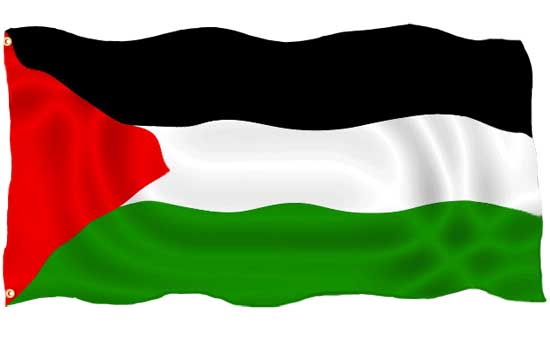
In recent weeks, the Labour Party in the UK has found itself facing a growing storm of criticism and dwindling support, particularly among Muslim voters, due to its handling of the Israel-Gaza conflict. The party’s evolving position on the war has left many feeling that it’s a case of too little, too late.
Initially failing to explicitly call for a permanent ceasefire in the conflict between Israel and Hamas, the party’s hesitancy has had a significant impact on its standing, especially among Muslim voters. A November opinion poll showed that while 64% of Muslim voters supported Labour, over 40% indicated that Keir Starmer’s response to the war had made them less likely to vote for the party.
Crucially, one in three Muslim voters considered the conflict one of their top three issues when deciding whom to vote for, highlighting the substantial weight of this matter in their political decisions.
The repercussions of Labour’s stance are not confined to national polling numbers; they are also manifesting at the local level. In areas with significant Muslim populations, such as Ilford North and Walsall, local activists and councillors are taking a stand against Labour’s position on the Gaza war. The resignation of eight Labour councillors in Walsall in November and challenges to prominent figures like shadow health secretary Wes Streeting in Ilford North demonstrate the depth of discontent within the party’s own ranks.
This erosion of trust is palpable, and the Labour Party now faces the formidable task of rebuilding relations with Muslim voters before the next election. The growing momentum of the grassroots “No Ceasefire, No Vote” campaign further complicates matters for Labour.
The “No Ceasefire, No Vote” campaign has emerged as a potent force, demanding accountability from politicians regarding their stance on the Israel-Gaza conflict. The campaign asserts that politicians who do not actively support a permanent ceasefire in Gaza should not receive votes in upcoming elections.
The campaign operates on a simple principle – if your Member of Parliament (MP) fails to endorse an immediate and lasting ceasefire, voters are encouraged to take action. By emailing their MPs and demanding support for a permanent ceasefire, constituents signal that the issue is non-negotiable. The response from MPs will influence voters’ decisions in the next general elections.
The campaign emphasizes three key points when contacting MPs: an immediate ceasefire, unrestricted humanitarian aid access to Gaza, and an end to the blockade on Gaza. By aligning with these principles, voters seek to influence political discourse and ensure that their elected representatives prioritize humanitarian concerns in the ongoing conflict.
With over 15,899 Palestinians, including 6,150+ children, losing their lives since October 7th, the urgency of the matter is undeniable. The “No Ceasefire, No Vote” campaign provides a platform for voters to actively engage with their MPs, making it clear that politicians cannot take their votes for granted.
In the midst of this turmoil, George Galloway’s entrance into the Rochdale by-election adds another layer of complexity to Labour’s challenges. A figure known for his strong stances on issues, particularly regarding Israel, Galloway’s candidacy aims to “teach [Sir Keir] Starmer and Labour a lesson.” Leading the Workers Party of Britain, Galloway’s campaign challenges established party lines and presents Rochdale voters with an alternative choice.
As the by-election unfolds, the Labour Party, with its current majority of over 9,000 votes in Rochdale, faces a significant test. With other candidates like Azhar Ali (Labour Party), The Reverend Mark Coleman (Independent), and Simon Danczuk (Reform UK) vying for the seat, the outcome will not only determine the representation of Rochdale but also serve as a barometer of the broader political sentiment surrounding Labour.
The convergence of these factors paints a complex picture for the Labour Party. While the Israel-Gaza conflict has strained its relationship with Muslim voters, the “No Ceasefire, No Vote” campaign and George Galloway’s candidacy in the Rochdale by-election highlight the multifaceted challenges the party must navigate to regain trust and secure its political standing.
 THIRDWAY THINK-TANK | The Voice of the Radical Centre
Discussion
No comments yet.