1,134 words, 6 minutes read time.
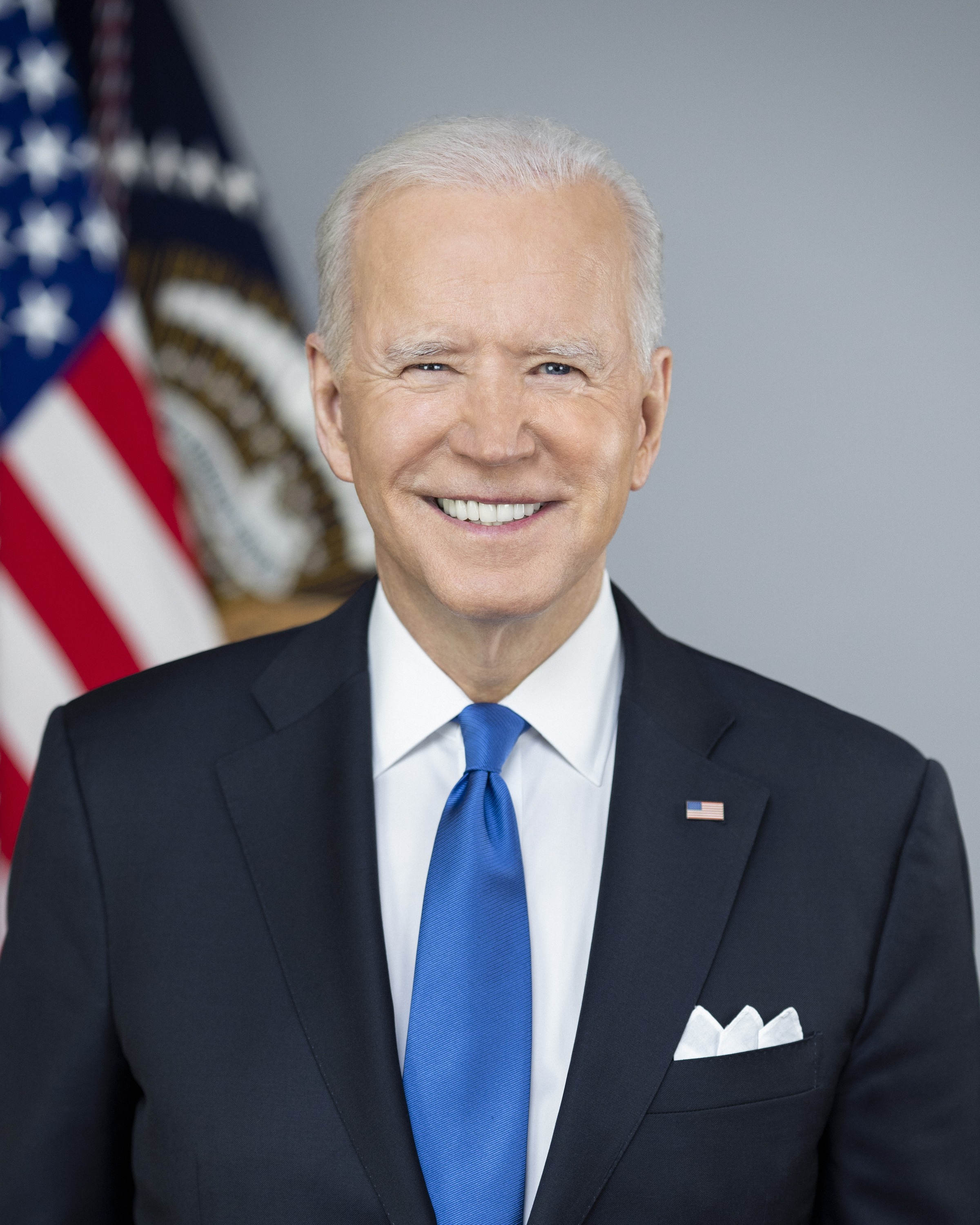
As the United States approaches another crucial presidential election, one of the most prominent and contentious issues taking center stage is the mental fitness of incumbent President Joe Biden. The recent release of a special counsel’s report has intensified the scrutiny on Biden’s cognitive abilities, raising concerns about the potential impact on both his personal well-being and the nation’s leadership.
The special counsel’s report, spanning a comprehensive 345 pages, delves into various aspects of President Biden’s mental state, revealing notable findings. During extensive interviews with investigators, Biden exhibited difficulties recalling crucial details. Instances such as stumbling over the years he served as vice president and inaccuracies in discussing the year of his late son Beau’s death were highlighted. The report even shed light on Biden’s references to conversations with long-deceased world leaders, further raising questions about the state of his memory.
At 81 years old, Biden’s age has become a focal point of concern. The report suggests a decline in mental faculties, potentially impacting decision-making and overall effectiveness in his role as the President of the United States.
In response to the report, Biden expressed frustration during an impromptu news conference, vehemently objecting to mentions of his deceased son, Beau. Despite defending his fitness by citing legislative wins and humanitarian efforts, he inadvertently referred to Egypt’s Abdel Fattah el-Sisi as the president of Mexico, a moment that seemed to undermine his own argument.
The legal ramifications of the special counsel’s report resulted in the exoneration of President Biden from charges related to improperly storing classified documents. While acknowledging accidental mishandling, the report contrasted Biden’s cooperation with investigators to Donald Trump’s actions in a similar case.
However, the political fallout has been significant. The report has struck a sensitive chord with voters, and skepticism about Biden’s age and mental acuity poses a substantial threat to his chances of re-election. Consistent polls highlight concerns about his physical and mental health, and voters perceive his mental challenges as a potential weakness that could overshadow other policy issues.
President Biden’s mental faculties could influence the upcoming election in several ways. If doubts persist about Biden’s cognitive abilities, voters may hesitate to entrust him with another term. His ability to communicate effectively, make critical decisions, and lead the nation during challenging times will be closely scrutinized.
Biden’s opponents are likely to exploit any perceived mental lapses. Campaign ads and debates could amplify concerns about his fitness for office, emphasizing his age and memory struggles.
While mental fitness is a crucial aspect, voters also care deeply about policy positions. Biden’s campaign team must strike a delicate balance between addressing health-related questions and highlighting his accomplishments in order to maintain voter support.
In summary, President Biden’s mental state remains a contentious issue as the election unfolds. The ability to effectively address these concerns and communicate a compelling vision for America’s future will play a pivotal role in determining whether he can overcome these challenges and secure another term in office.
In the landscape of U.S. politics, both Joe Biden and his predecessor Donald Trump have faced scrutiny over their cognitive abilities. Despite holding the office of the President, Donald Trump had his share of gaffes and memory slips. Confusing world leaders and mistaking political figures were not uncommon occurrences. For instance, he confused Viktor Orbán, the prime minister of Hungary, with Recep Tayyip Erdoğan, the president of Turkey. Additionally, he mistook Nikki Haley for Nancy Pelosi during the Capitol attack in 2021. Polls consistently show that more Americans perceive Biden as experiencing mental decline than Trump. This perception is partly fueled by Republicans emphasizing Biden’s stuttering clips.
Joe Biden’s memory lapses have been relentlessly scrutinized, especially in light of the special counsel’s report on his retention of classified information. Instances like referring to the president of Egypt as the president of Mexico have raised concerns about his cognitive abilities. Polls indicate that more voters believe Biden is too old for the job compared to Trump.
While Trump’s approval ratings have reached new lows, he still maintains a strong base of support. Recent polls show that Trump’s and Biden’s favorability ratings are within a few percentage points of each other. While Biden often has a slightly higher rating, both face similar challenges in terms of public perception.
In summary, both candidates grapple with memory issues, but Biden’s age-related concerns have drawn more attention. As the election unfolds, voters will weigh these factors alongside other considerations when making their choice.
The Democratic Party rarely replaces a sitting president as their nominee. No single governor or senator has the ability to directly challenge Biden and win. Additionally, filing deadlines for most upcoming contests have passed, making it difficult for a new candidate to enter the race and surpass Biden.
In the midst of discussions surrounding President Joe Biden’s health and potential impact on the 2024 election, speculation arises about alternative candidates. However, the likelihood of a replacement is slim, and several factors contribute to this scenario. Robert F. Kennedy Jr., an environmental lawyer and activist, is the son of the late Senator Robert F. Kennedy. Despite his prominence, Kennedy is not actively running for the Democratic nomination in 2024. His association with anti-vaccine conspiracy theories has also raised concerns among voters. Marianne Williamson, a self-help author and former presidential candidate, lacks political experience. While having a devoted following, Williamson’s unconventional approach and lack of political experience make her an unlikely contender for the Democratic nomination.
As of January 23, 2024, Vice President Kamala Harris faces mixed public opinion, with various factors influencing her standing. Approximately 40% of registered voters hold a favourable opinion of Harris. However, 55% of voters view her unfavourably, resulting in a net rating of -15 percentage points. Harris has grappled with complex issues, including managing immigration at the U.S. borders, leading to a decline in approval ratings. Comparatively, her net favourability is slightly lower than that of former Vice President Mike Pence at a similar point in their respective tenures. Kamala Harris, the first woman, first Black woman, and first person of South Asian descent to hold the office of Vice President, faces challenges such as managing a diverse portfolio, addressing complex issues, and navigating the delicate balance between loyalty to the President and independent decision-making. As of now, there is no indication that Harris will challenge President Biden for the Democratic nomination in 2024. Traditionally, sitting Vice Presidents have an advantage in seeking their party’s nomination, but the evolving political landscape will determine the trajectory of her role in the 2024 election and beyond.
Barring unforeseen circumstances, Biden is almost certain to be the Democratic Party’s nominee in the upcoming election.
By Pat Harrington
Picture credit: By Adam Schultz – https://www.whitehouse.gov/administration/president-biden/ (direct download link), Public Domain, https://commons.wikimedia.org/w/index.php?curid=103323939
 THIRDWAY THINK-TANK | The Voice of the Radical Centre
Discussion
No comments yet.