613 words, 3 minutes read time.
Introduction
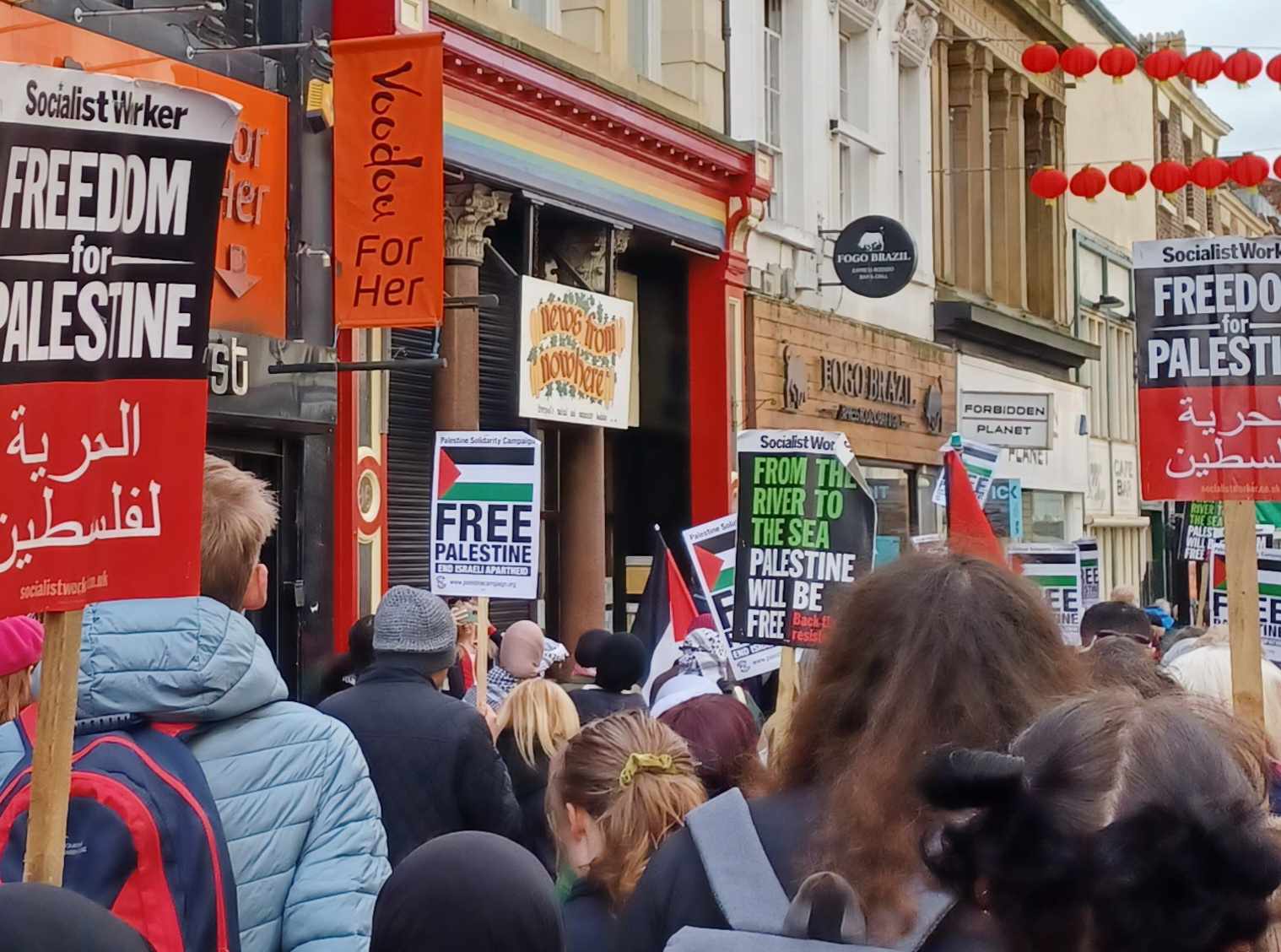
In recent years, the right to protest in the United Kingdom has faced increasing challenges. Legislation such as the Police, Crime, Sentencing and Courts Act (PCSC) has raised concerns among civil liberties campaigners, activists, and citizens who value democratic expression. In this article, we explore the importance of safeguarding the right to protest, critique claims of “mob rule,” and shed light on the UK Parliament’s failure to represent majority opinion on critical issues.
The Right to Protest: A Fundamental Freedom
- Legal Foundations:
- The right to peaceful protest is not explicitly codified in UK law, but it is enshrined in the rights to freedom of expression and freedom of assembly under the European Convention on Human Rights (ECHR).
- The Human Rights Act directly incorporates the ECHR into domestic British law, emphasizing the importance of these fundamental freedoms.
- Restrictions and Recent Legislation:
- The Public Order Act 1986 and the PCSC Act set limitations on protests in England and Wales.
- There is a sinister suggestion that demonstrators should be kept away from “centres of democracy”.
- It’s proposed that demonstrators be obliged to give police a minimum six days notice of a protest. Generally that is already done but how could the people protest a topical or imminent event?
- While public safety and crime prevention are valid reasons for imposing restrictions, the balance between protecting these rights and stifling dissent must be carefully maintained.
Sunak’s Claim of “Mob Rule”
- Examining the Claim:
- Prime Minister Rishi Sunak’s assertion to top cops that protests lead to “mob rule” oversimplifies a complex issue. Amnesty International were right to say that Sunak “wildly exaggerates the issue”.
- Protests are essential for holding power to account, amplifying marginalized voices, and advocating for change.
- The Role of Demonstrations:
- Protests have historically driven progress, from suffragettes fighting for women’s rights to civil rights activists challenging racial discrimination.
- They serve as a vital check on government actions and policies.
Gaza and Parliamentary Representation
- The Gaza Conflict:
- The UK Parliament’s handling of the Gaza conflict highlights its failure to represent majority opinion.
- Despite widespread public concern about the humanitarian crisis in Gaza, political decisions often diverge from public sentiment.
- Politicians and Influence:
- Some politicians maintain close ties with Israeli Zionists, potentially influencing their stance on the conflict.
- Transparency is crucial to ensure that elected representatives prioritize the interests of their constituents over external pressures.
The Demonstrators’ Voice
- Representing Public Opinion:
- Demonstrators, whether on the streets or online, often reflect broader public sentiment.
- Their passion and commitment underscore the urgency of issues that may be overlooked by politicians.
- A Call for Accountability:
- When politicians fail to address critical matters, protesters step in to demand accountability. The joint organisers of the pro-Palestinian and pro-Human Rights demonstrations, Palestine Solidarity Campaign and Stop The War, are right to say that proposals to limit rights to demonstrate: “can only be properly understood as an attempt to insulate politicians from public opinion.”
- Their diversity mirrors the rich tapestry of public opinion, transcending party lines.
Conclusion
The right to protest is not a threat to democracy; it is democracy in action. The mask has truly slipped with our political class. Few should not be able to see how many of them will defend Israel and Zionism regardless of human rights abuses. There is a gulf between their amoral subservience to Israel and the opinions of ordinary people in the UK. Rather than stifling dissent, we must protect and nurture this fundamental freedom. As citizens, we should challenge restrictive legislation, demand transparency, and continue raising our voices—because true democracy thrives when the people’s concerns are heard.
Report by Pat Harrington
 THIRDWAY THINK-TANK | The Voice of the Radical Centre
Discussion
No comments yet.