


544 words, 3 minutes read time.
The “Women in Revolt!” exhibition, held at Tate Britain, is a ground-breaking showcase of feminist art by over 100 women artists working in the UK. It’s a celebration of their radical ideas, rebellious methods, and invaluable contributions to British culture during a period of significant social, economic, and political change. Here’s a glimpse into this remarkable exhibition:
The Context:
The exhibition takes its starting point from the 1970 National Women’s Liberation Conference, a pivotal moment in the women’s movement. From there, it unfolds a rich tapestry of artistic expression that emerged during the following two decades.
These artists harnessed their lived experiences to create powerful art forms, spanning painting, photography, film, and performance. Their work became a potent force for change, addressing issues like reproductive rights, equal pay, and racial equality.
The Fanzines:
As an ex-fanzine producer, I was drawn to the vibrant collection of fanzines on display. These self-published, grassroots publications were a vital part of the feminist movement, providing an alternative platform for expression.
Let’s explore some of the fanzines that caught my attention:
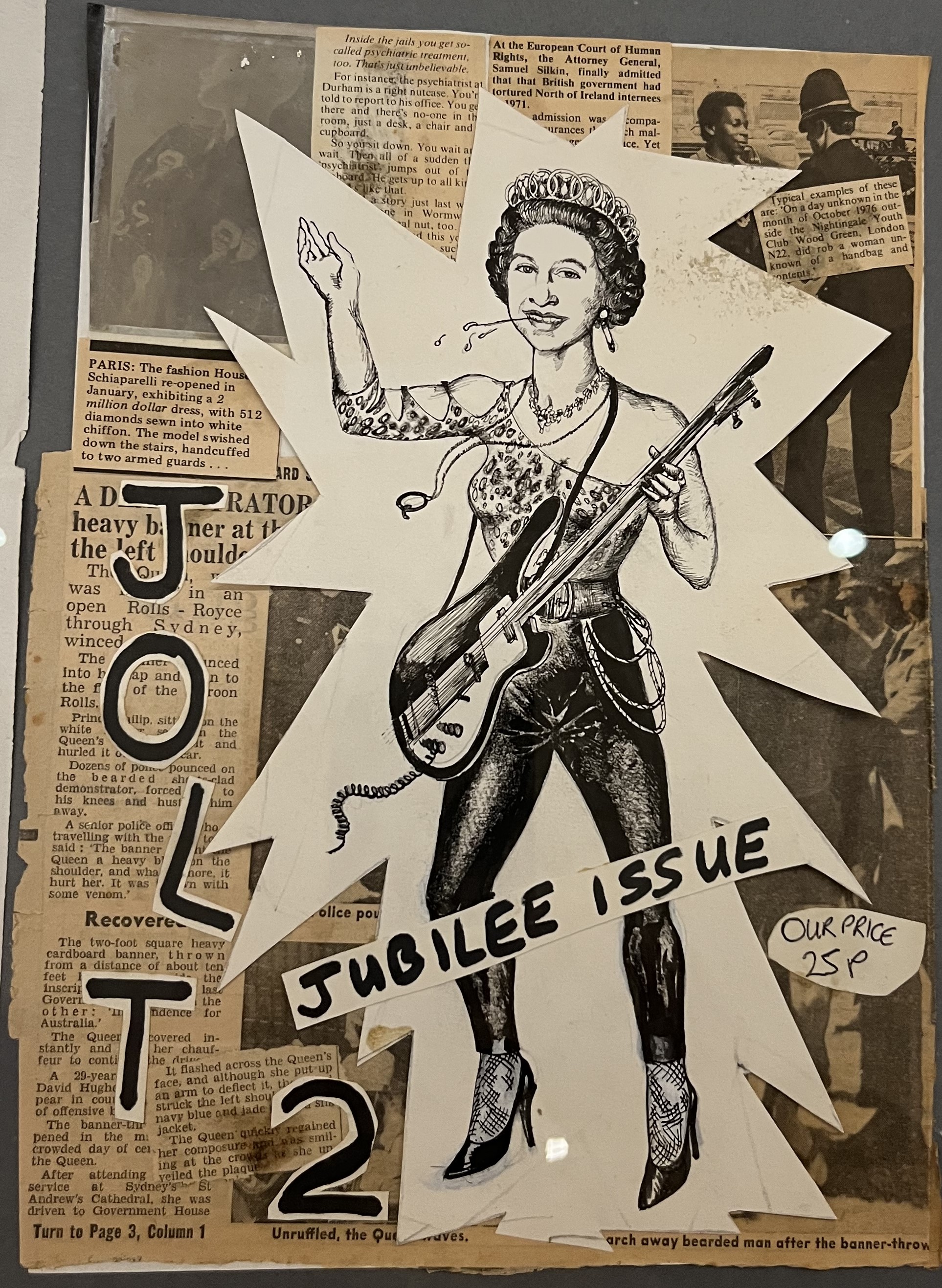
Jolt: A fanzine that crackled with energy, Jolt amplified the voices of women who refused to be silenced. Its pages buzzed with poetry, essays, and artwork, challenging societal norms and celebrating female resilience.
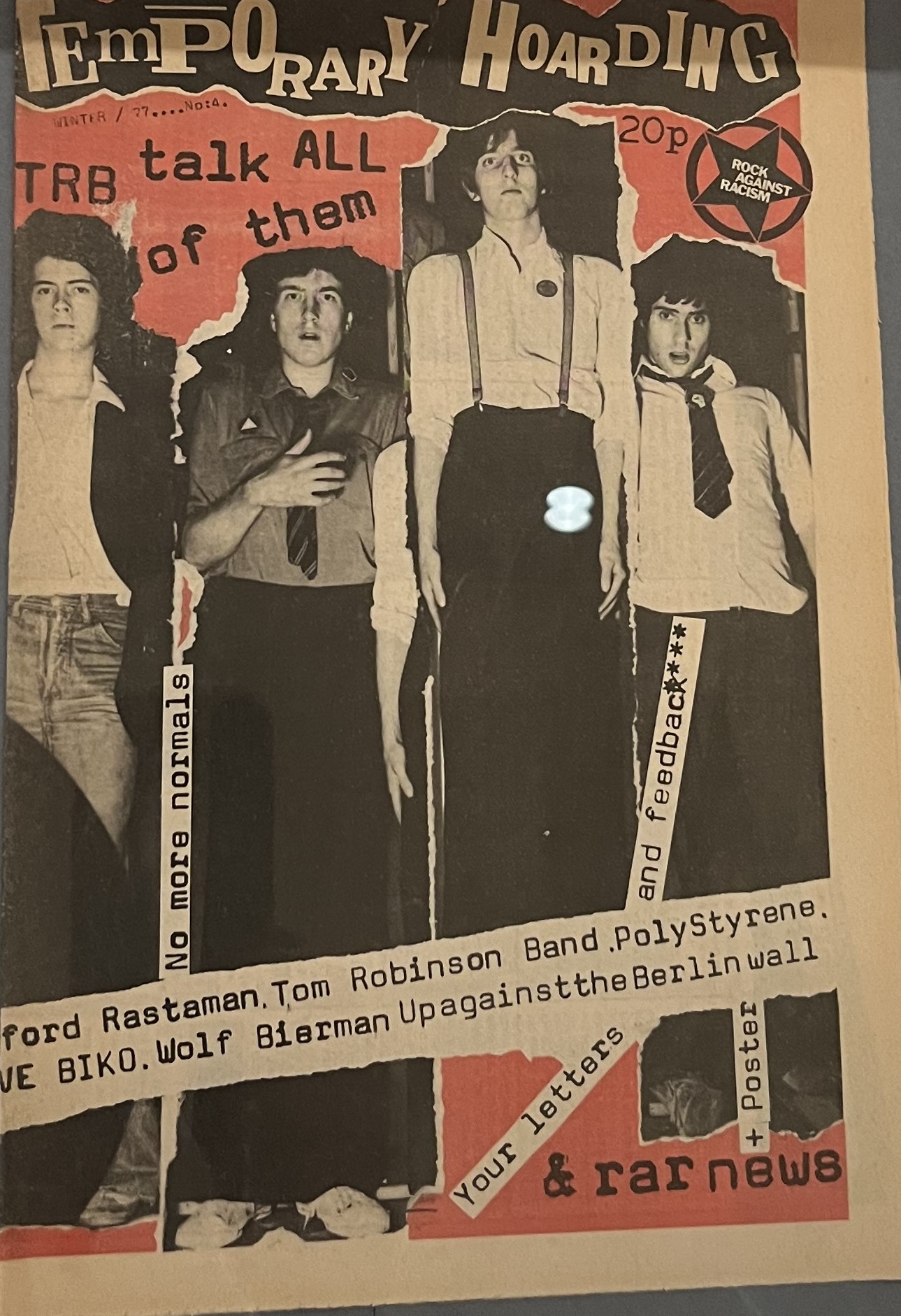
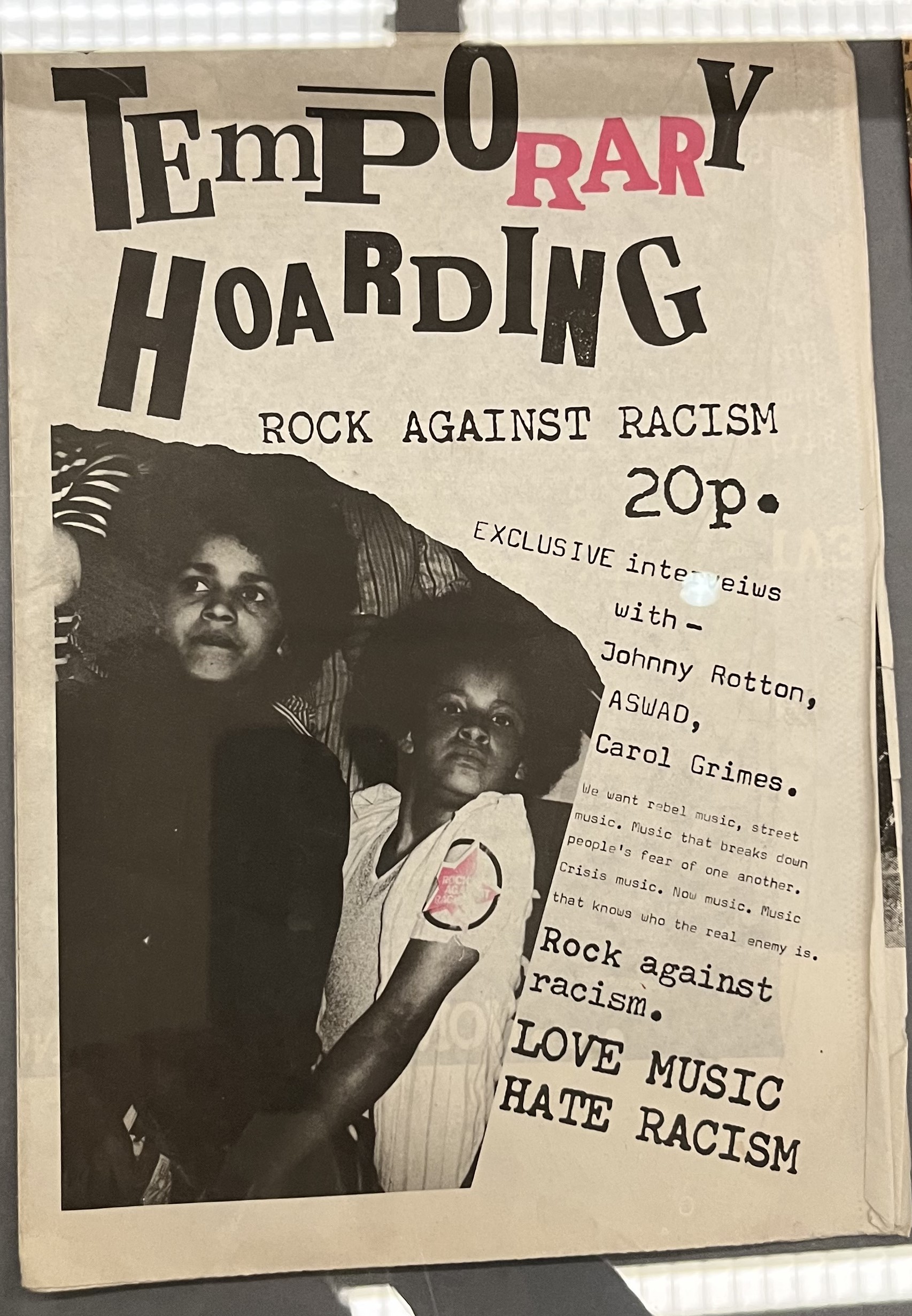
TemporaryHoarding (Rock Against Racism): This fanzine was a battle cry against racism and injustice. It merged music, activism, and visual art, reflecting the spirit of the Rock Against Racism movement. Its DIY ethos resonated with the punk scene of the time.
Spare Rib: A glossy magazine that transcended the typical fanzine format, Spare Rib was a beacon of feminist thought. It covered a wide range of topics, from reproductive rights to women’s health, and featured contributions from both established writers and emerging voices.
Beaumont: The transvestite newsletter Beaumont challenged gender norms and celebrated the fluidity of identity. It provided a safe space for trans and gender-nonconforming individuals, fostering a sense of community and visibility.
The Explosive Era:
The early ’70s witnessed an explosion of creativity and experimentation. Artists, activists, and everyday people embraced new media, pushing boundaries and dismantling conventions. I think that there is a lot that people who are interested in change and a new type of politics can learn from the period. I came away with so many ideas to follow-up on.
These women weren’t just creating art; they were shaping a movement. Their work intersected with the opening of the first women’s refuge, the emergence of the British Black Arts Movement, and the ongoing fight for equality.
Legacy and Recognition:
Despite their long careers, many of these artists were overlooked in the dominant artistic narratives of their time. However, this exhibition rectifies that oversight, bringing their works back into the spotlight.
Through their urgent and powerful art, visitors encounter a network of politically engaged communities that changed the face of British culture. Their legacy paved the way for future generations of artists, ensuring that their voices continue to resonate.
Women in Revolt! Art and Activism in the UK 1970-1990 is at Tate Britain, London, until 7 April 2024. It will then transfer to National Galleries Scotland: Modern, Edinburgh, 25 May 2024 to 26 January 2025 and the Whitworth Art Gallery, Manchester, 7 March to 1 June 2025
Reviewed by Pat Harrington
 THIRDWAY THINK-TANK | The Voice of the Radical Centre
Discussion
No comments yet.