1,052 words, 6 minutes read time.
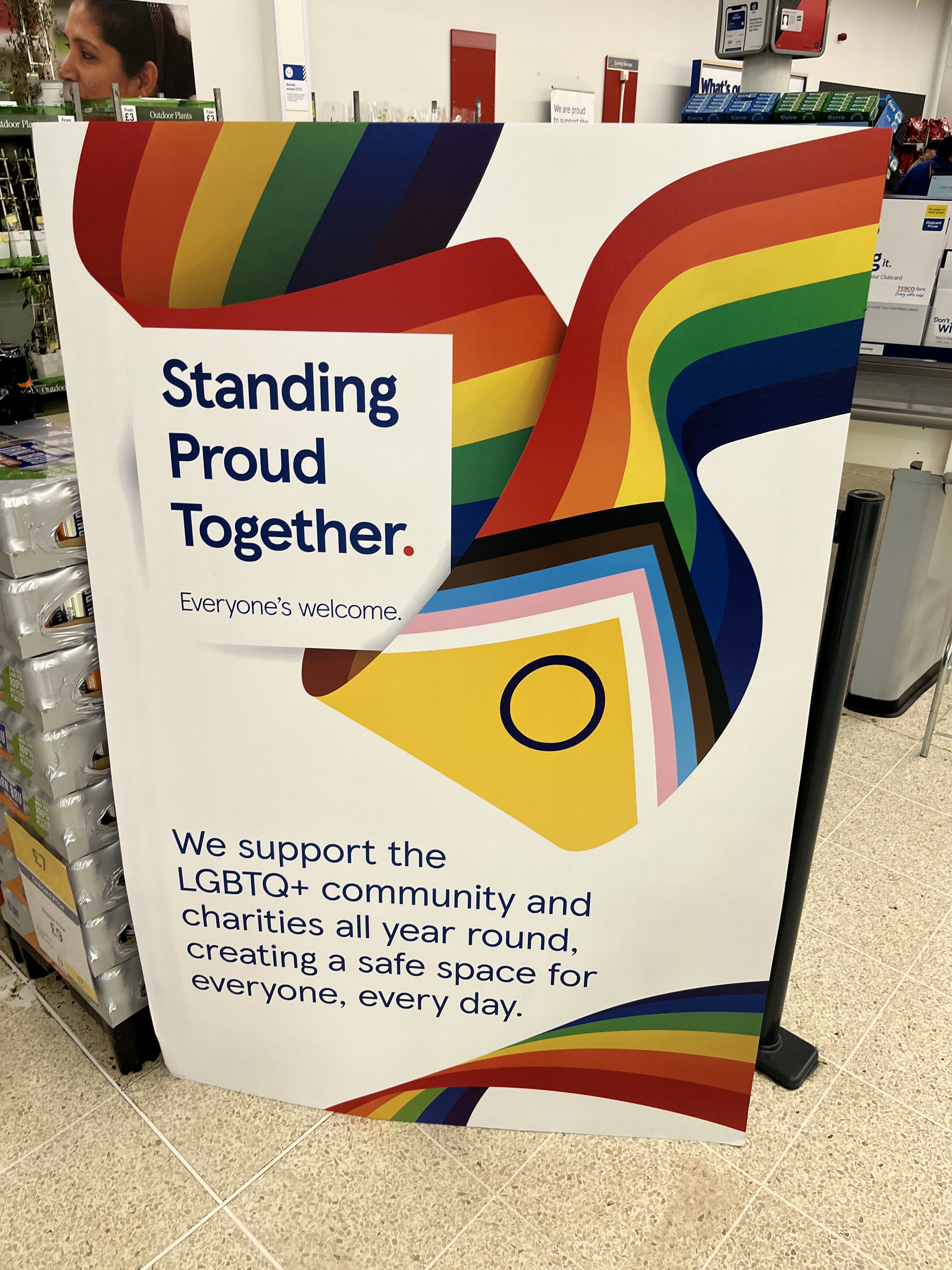
The origins of Pride are deeply rooted in political activism and resistance. From the Compton’s Cafeteria riot in San Francisco in 1966 to the iconic Stonewall riots in 1969, Pride emerged as a defiant response to systemic oppression faced by LGBTQ+ communities. These historic uprisings were not mere celebrations but radical acts of rebellion against police brutality and societal discrimination. Today, however, the essence of Pride risks being overshadowed by corporate interests that often co-opt the movement for profit rather than genuine allyship. Notably, this concern about corporate involvement in Pride is shared by both LGBTQ+ activists and right-wing critics, albeit for different reasons.
The Origins of Pride: A Political Uprising
The Stonewall riots, which began on June 28, 1969, in New York City, were a watershed moment in LGBTQ+ history. Patrons of the Stonewall Inn, a gay bar, fought back against a police raid, sparking days of protests and clashes with law enforcement. This uprising galvanized the LGBTQ+ community, leading to the formation of activist groups and a renewed commitment to fighting for civil rights. Similarly, the Compton’s Cafeteria riot in 1966 saw transgender individuals and drag queens in San Francisco’s Tenderloin district resist police harassment, marking the dawn of transgender activism.
These events were not isolated incidents but part of a broader pattern of resistance against systemic oppression. They underscored the urgent need for visibility, dignity, and equality. Pride, therefore, was born out of a spirit of defiance and political activism, serving as a powerful reminder of the ongoing struggle for LGBTQ+ rights.
The Corporate Invasion
In recent years, Pride events have transformed significantly. What began as a protest against injustice has increasingly become a commercialized spectacle. Corporations now flock to Pride, eager to display rainbow logos and sponsor parades. While corporate participation can raise visibility, it often comes with a troubling caveat: the risk of diluting Pride’s original political intent.
Peter Tatchell, a prominent LGBTQ+ rights activist, has expressed concern that the main Pride event in London has become “too corporate and commercial.” According to him, it often looks like a massive PR, marketing, and branding exercise by big companies, overshadowing the human rights dimension. The original Pride was both a celebration and a protest, and Tatchell believes it should maintain that balance. He emphasizes that there are still issues to fight for globally, especially in countries where same-sex relations remain criminalized.
Companies accused of pinkwashing—superficially supporting LGBTQ+ causes for marketing purposes while failing to enact meaningful change—exemplify this issue. For instance, Comcast, despite publicly supporting Pride, has faced criticism for donating millions to politicians who oppose LGBTQ+ rights. Similarly, AT&T has been lambasted for its substantial contributions to anti-LGBTQ+ politicians, revealing a stark disconnect between its public image and political actions.
Right-Wing Pushback Against Corporate Involvement
Interestingly, concerns about corporate involvement in Pride are not limited to LGBTQ+ activists. Right-wing figures have also begun to push back against what they perceive as corporations adopting a “woke” agenda. Tractor Supply, a U.S. retail giant known for selling home, garden, land, and animal-related products, faced controversy and calls for a boycott over its supposed “woke” agenda. Right-wing activist Robby Starbuck criticized the company for allocating funds to LGBTQ+ and diversity, equity, and inclusion (DEI) initiatives. These initiatives included LGBTQ+ training for employees, funding Pride and drag events, and having a DEI Council. Starbuck encouraged Tractor Supply shoppers to take their business elsewhere and suggested that CEO Hal Lawton use his reported $11 million salary for these causes instead of company money. The campaign knocked 5 per cent off the Nasdaq-listed groups share price in the past month.
Starbuck’s campaign won and Tractor Supply changed course. The retailer which has a market value of $30bn said it would “retire” its diversity and inclusion goals” while still ensuring a respectful environment”. Tractor Supply said in the future it would “ensure our activities and giving tie directly to our business” and stop sponsoring Pride festivals and voting campaigns. It added that it planned to refocus on “animal welfare, veteran causes and being a good neighbour“.
Other companies like Disney and Anheuser-Busch InBev have also faced similar culture wars. Disney, a major entertainment company, has shown signs of recovery in terms of corporate reputation despite past controversies, as indicated by the Axios/Harris Poll 100 rankings. Anheuser-Busch InBev, a global beer company, saw minimal decline in its corporate reputation during the culture wars.
Tokenism and Co-Opting Activism
The participation of corporations in Pride often smacks of tokenism. Many companies sponsor Pride events while lacking substantive policies for their LGBTQ+ employees. This selective allyship undermines the authenticity of their support, reducing Pride to a marketing opportunity rather than a genuine commitment to equality.
Furthermore, the co-opting of Pride by corporate entities risks erasing its radical roots. The original intent of Pride as a protest against systemic oppression and a call for societal change gets overshadowed by branded merchandise and corporate floats. The focus shifts from political activism to consumerism, obscuring the ongoing struggles faced by LGBTQ+ individuals.
The Need for Genuine Allyship
While corporate involvement in Pride can amplify visibility, it is crucial to scrutinize the intentions behind this participation. True allyship extends beyond a single month of celebration. It involves a consistent commitment to advocating for LGBTQ+ rights, both within and outside the workplace. Companies must enact policies that support their LGBTQ+ employees, address systemic issues, and engage in meaningful advocacy year-round.
Conclusion: Reclaiming the Political Essence of Pride
As we come to the end of Pride month, it is essential to remember its origins as a radical act of resistance. The focus must remain on the political nature of Pride, emphasizing the ongoing struggle for equality and justice. We must resist the corporate takeover that threatens to dilute its essence and instead champion the original spirit of defiance that sparked the LGBTQ+ rights movement.
Pride should be a powerful reminder of the battles fought and the victories won by the queer and trans communities. It should honour the bravery of those who stood up during pivotal moments like Stonewall and Compton’s Cafeteria. Let us reclaim Pride as a form of political activism, ensuring that its message of resistance and liberation continues to resonate.
 THIRDWAY THINK-TANK | The Voice of the Radical Centre
Discussion
No comments yet.