549 words, 3 minutes read time.
Pamphleteering has an important place in political history, and I love the idea of bringing it back to the modern age. Letters on Liberty revives this tradition with a fresh, compelling approach. The pamphlet is attractively designed, with clear, easy-to-read typography and a layout that feels both professional and inviting. Its pocket-sized format is particularly practical, fitting neatly into a jacket or bag, and the concise length strikes just the right balance for a quick but meaningful read.
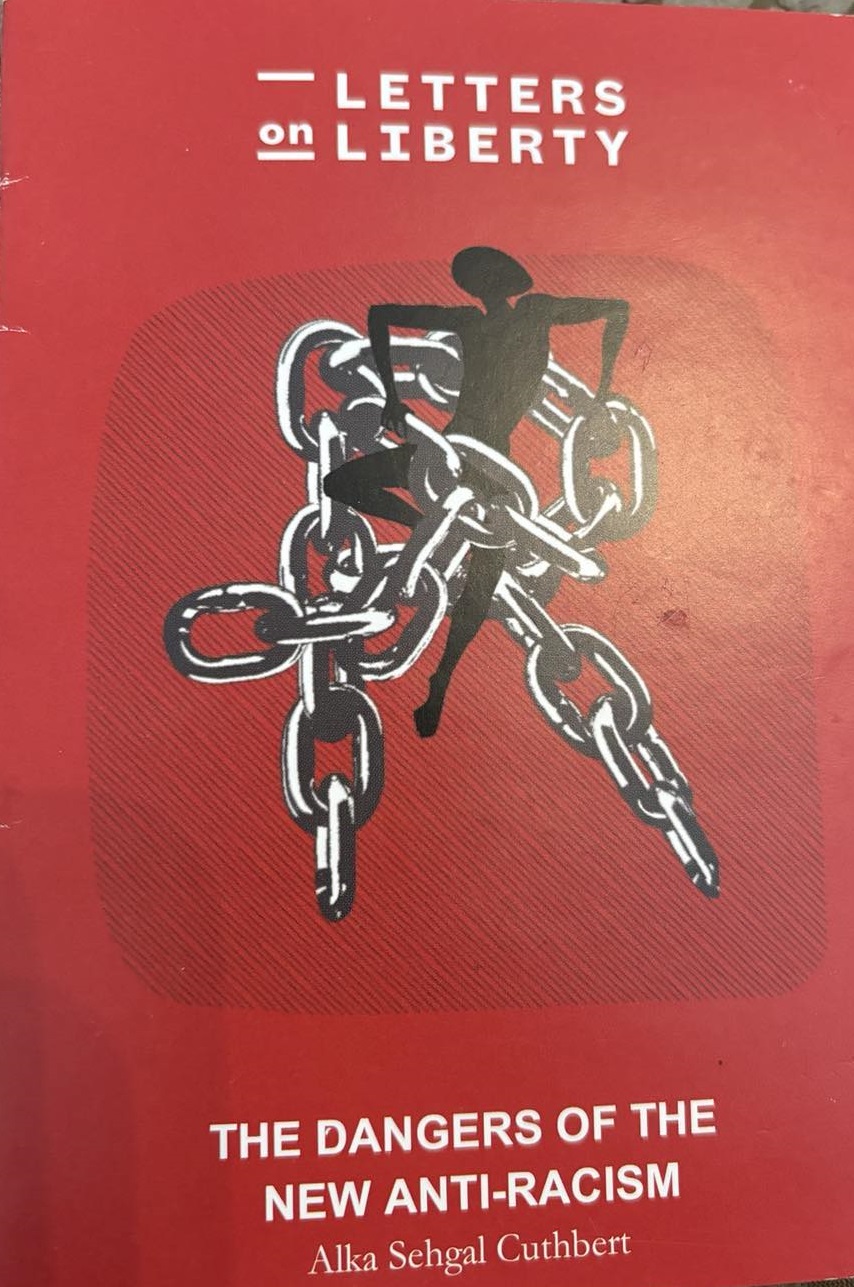
The content of this edition of Letters on Liberty centres on the philosophical and practical importance of individual freedom. It explores liberty as a core principle for a thriving society, touching on the historical underpinnings of liberal thought and its relevance in contemporary debates. The text makes a case for the enduring value of personal autonomy in areas such as free speech, economic choice, and democratic participation. The arguments are presented with conviction, aiming to inspire readers to defend these principles in the face of modern challenges.
A key focus of the pamphlet is its critique of modern anti-racism initiatives. It identifies potential risks in approaches that prioritize group identity over universal values. The author argues that some frameworks in anti-racism may inadvertently foster division rather than unity, emphasizing distinctions between groups rather than shared humanity. A particular concern is that certain initiatives might restrict free speech or impose rigid ideological conformity, stifling open debate and democratic engagement. This perspective calls for anti-racist solutions rooted in individual rights and liberties, cautioning against methods that might erode freedoms essential for a just and equitable society.
While these arguments are thought-provoking, the pamphlet is not without its shortcomings. It relies heavily on abstract rhetoric rather than presenting concrete evidence or real-world examples. This approach risks oversimplifying complex issues, leaving readers seeking deeper engagement with the subject matter unsatisfied. For instance, the pamphlet critiques anti-racism frameworks without sufficiently acknowledging the necessity of combating systemic racism or offering detailed alternative approaches. It lacks specific historical or contemporary examples to illustrate its points, which could have grounded the arguments in practical contexts.
Moreover, the tone of the pamphlet may come across as dismissive to those who support modern anti-racism efforts. By focusing primarily on the risks posed by group identity politics, it risks alienating readers who might feel it overlooks the lived experiences of marginalized groups or the positive contributions of anti-racism movements. This one-sided critique could limit its appeal and impact beyond an already sympathetic audience.
The document also fails to engage meaningfully with counterarguments or the challenges of reconciling group-based inequalities with individual freedoms. Without this balance, the critique may feel incomplete or overly ideological. Furthermore, while it raises valid concerns, it does not offer clear, actionable solutions for addressing the issues it identifies, leaving readers unclear on how to apply the principles it advocates.
Overall, Letters on Liberty is an admirable attempt to rejuvenate the art of pamphleteering. Its accessible design and format make it a pleasure to engage with, and its arguments about liberty are compelling. However, its limitations—particularly its lack of depth, balance, and practical solutions—detract from its effectiveness. While it succeeds as a starting point for discussion, it could benefit from a more nuanced exploration of its themes to spark meaningful debate across ideological divides.
 THIRDWAY THINK-TANK | The Voice of the Radical Centre
Discussion
No comments yet.