Pat Harrington puts the case for remembrance, reflection, and unity
527 words, 3 minutes read time.
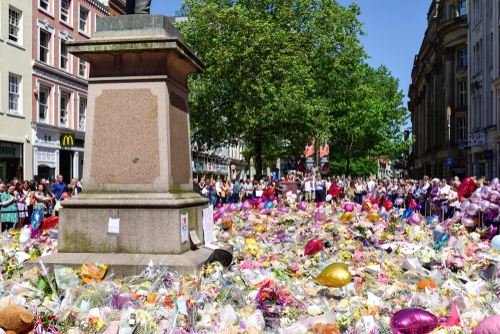
The UK government is currently consulting on the creation of a National Day of Remembrance for the Victims of Terrorism—a move that has sparked debate, but also offers a moment to pause and reflect. With recent years marked by tragic attacks in London, Manchester, and elsewhere, the time may be right to establish a dedicated day to honour the lives lost, support the survivors, and stand united against hatred.
The Case for a National Day
One of the clearest arguments in favour of such a day is the dignity of remembrance. For families who have lost loved ones, public recognition can be a source of comfort. Just as we honour the fallen in war each November, recognising terrorism’s victims could provide a national moment of collective mourning and support.
Another benefit is solidarity. A day like this would remind us that, whatever our background or beliefs, we are bound by a common humanity. Attacks are often designed to divide. Marking the day together could be a quiet but firm rejection of that aim.
There is also an educational value. A formal day could prompt schools, broadcasters, and cultural institutions to reflect on the causes and consequences of terrorism. It could help contextualise acts of violence within a broader narrative of resilience, justice, and peace-building.
Moreover, many other nations already observe such days—including France, Canada, and the EU. A UK equivalent would align with international practices and affirm our shared commitment to human rights and democratic values.
The Challenges and Questions
That said, there are legitimate concerns. Who is remembered—and how? The term “terrorism” can be contentious, used differently across time and politics. For some, the fear is that a national day might exclude certain victims or be used to reinforce selective narratives.
There’s also the danger of symbolism without substance. Will this day come with real investment in survivor support, mental health services, or anti-radicalisation work? If not, some might see it as an empty gesture.
Others warn of politicisation. In a tense political climate, any official remembrance could risk being used to justify policies that further marginalise already vulnerable groups. The day must be about people, not political point-scoring.
Finally, there’s the issue of trauma. For survivors and bereaved families, a national day could reopen wounds. Careful consultation with those most affected will be vital to ensure the date offers healing, not harm.
A Chance to Do It Right
The government’s consultation offers a rare chance to get this right. Any national day must be inclusive, unifying, and thoughtful—focusing not on the perpetrators of violence, but on the dignity of those affected.
A National Day for Victims of Terrorism wouldn’t solve the pain or prevent future attacks. But it could give us a way to come together, remember what we’ve lost, and recommit to building a society where such acts have no place.
In the face of terror, remembering is an act of defiance—and of hope.
Editorial Note
The UK government is currently consulting on the introduction of a national day for victims and survivors of terrorism. You can access the consultation document and participate in the survey here
 THIRDWAY THINK-TANK | The Voice of the Radical Centre
Discussion
No comments yet.