Set featured image
1,307 words, 7 minutes read time.
In an extraordinary move that signals a sharp departure from decades of hands-off industrial policy, the Labour government has taken emergency control of British Steel’s Scunthorpe plant, the last site in the country still producing primary steel from raw materials. The decision, rushed through Parliament in a rare Saturday sitting, comes after the plant’s Chinese owners, Jingye Group, refused to buy the raw materials needed to keep the blast furnaces going—effectively setting the stage for their permanent closure.
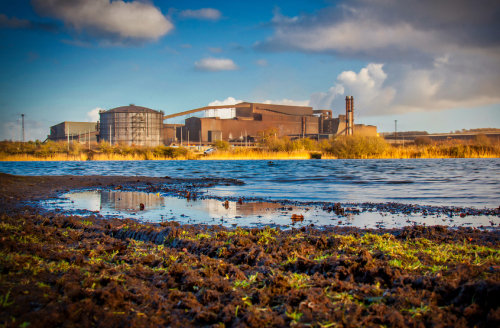
The emergency legislation, passed unanimously, allows ministers to direct operations at the site, seize control if necessary, and prevent the furnaces from being shut down. Though full nationalisation hasn’t yet happened, it is now a distinct possibility, as Labour signals a clear shift in how Britain manages its industrial future.
Steel and Sovereignty: A National Industry in Peril
The Scunthorpe plant isn’t just another factory. It is the only site left in Britain capable of producing “virgin” steel from iron ore using blast furnaces—a process that underpins a host of other industries, from shipbuilding to construction to defence. Its loss would mean that Britain, uniquely among G7 nations, would be unable to make steel from scratch within its own borders.
This threat was no longer hypothetical. According to Business Secretary Jonathan Reynolds, Jingye had ceased paying for vital raw materials and was preparing to wind the furnaces down permanently. The company rejected multiple offers of government support, and even sought hundreds of millions in public funds with no conditions attached—a move Reynolds described as an attempt to extract cash while outsourcing steel production to China.
The government’s response was swift. A one-day emergency session of Parliament—the first Saturday sitting since the Falklands War—gave ministers sweeping powers to keep the plant running. Workers at the plant, aware of the stakes, reportedly blocked company executives from accessing critical systems out of fear they might sabotage the equipment.
From National Pride to Market Failure: The Story of British Steel
British Steel’s history is a mirror of Britain’s post-war industrial journey. In 1967, Harold Wilson’s Labour government brought together 14 major steel firms to form the British Steel Corporation. The goal was to modernise a fragmented and declining sector through rational planning and public investment. At its peak, the industry employed more than a quarter of a million people and was seen as the backbone of national prosperity.
But by the 1980s, under Margaret Thatcher’s “free-market” revolution, British Steel was privatised. In the decades that followed, the industry was sold off, merged, and carved up. In 1999, British Steel merged with Dutch company Hoogovens to become Corus. By 2007, Corus had been acquired by India’s Tata Steel. A series of closures followed, as “uncompetitive” plants were shut down, and thousands of jobs disappeared.
In 2016, Tata offloaded its long products division—including Scunthorpe—to the little-known investment firm Greybull Capital for £1. Greybull revived the British Steel name, but the company collapsed within three years. After a failed rescue attempt by a Turkish fund, the government stepped in to keep the furnaces going—until Jingye, a Chinese conglomerate, acquired the company in 2020.
While some hoped this would bring stability, Jingye’s ownership has proved controversial. The company resisted demands to invest in modernisation and showed little interest in long-term transformation. When it began withdrawing from basic operations this spring, the writing was on the wall.
Political Reactions: Rare Unity and Deeper Fault Lines
Labour MPs packed the benches as Reynolds delivered a stinging rebuke of Jingye’s conduct and made the case for decisive state intervention. “We could not, will not and never will stand idly by while heat seeps from the UK’s remaining blast furnaces,” he declared.
Prime Minister Keir Starmer echoed the urgency. Visiting Scunthorpe the day the bill passed, he told workers that the government would always act in the national interest. “This is the pride of our history and the key to our future,” he said.
On the Labour left, the move was welcomed—but also seen as overdue. Diane Abbott urged the government not to shy away from full nationalisation. “Privatisation certainly does not always work – the water industry comes to mind,” she said. Jeremy Corbyn, now sitting as an independent, called for the entire steel industry to be brought back under public ownership.
Trade unions were unanimous in their praise. GMB hailed the decision as “the first step towards saving the UK steel industry,” while Community Union said Jingye had refused every reasonable attempt at cooperation. Unite praised Labour for listening to unions and demanded steel be recognised as critical national infrastructure.
Even the Conservatives, long associated with privatisation and deregulation, largely held their fire. Some backbenchers criticised the government’s handling of negotiations but stopped short of opposing the intervention. Others, like Iain Duncan Smith, warned that foreign ownership of strategic assets like steel posed national security risks. “This isn’t just about jobs—it’s about sovereignty,” he said.
The Liberal Democrats supported the recall of Parliament but pointedly asked why no such action was taken when Tata announced major job losses at Port Talbot in South Wales. Plaid Cymru’s Liz Saville-Roberts accused Labour of double standards, saying Welsh steel communities had been abandoned while Scunthorpe received emergency aid. The SNP, too, called for similar support for the Grangemouth oil refinery and other Scottish industrial sites.
The Green Party, aligning with Reform UK on this issue, said nationalisation was the only route to creating a sustainable, green steel sector. Their MP called for a “green industrial revolution” rooted in publicly owned steel production.
Why Primary Steel Matters
Primary steelmaking isn’t just about manufacturing. It’s a strategic capability. Blast furnaces turn raw materials into steel, unlike electric arc furnaces that recycle scrap. Once those furnaces go out, they’re almost impossible to restart. Losing them would mean permanent dependence on foreign steel—much of it made in countries with lower environmental and labour standards.
For a country that wants to build high-speed rail, wind turbines, and a green economy, controlling its own steel supply is critical. It’s not just a matter of jobs, but of energy, defence, and industrial self-sufficiency. The argument is increasingly clear: steel is as much a part of national security as the armed forces or food supply.
What Comes Next?
Labour ministers insist that nationalisation remains “on the table,” and may well be the only way forward given Jingye’s behaviour. While they still talk about seeking a private-sector partner for long-term investment, few see that as realistic in the short term. With no viable buyer in sight, and with the public now footing the bill to keep the site running, formal state ownership may be inevitable.
But rescuing British Steel won’t be enough. The UK needs a comprehensive industrial strategy—one that invests in green steel, lowers energy costs for manufacturers, trains a new generation of workers, and secures domestic supply chains. The government has a £2.5 billion Green Steel Fund to draw on, but it will take more than money to reverse decades of decline.
There’s also a wider reckoning underway. The idea that Britain can rely on market forces to secure its most vital industries is increasingly untenable. From semiconductors to pharmaceuticals to steel, the pandemic and geopolitical tensions have shown the limits of globalisation and the dangers of relying on hostile or indifferent foreign powers.
The decision to seize control of Scunthorpe may mark the end of an era of industrial neglect. If so, it could be the beginning of something else: a politics rooted not in nostalgia, but in the clear-eyed recognition that a sovereign, secure country needs the means to build and maintain its own future.
For now, the blast furnaces at Scunthorpe continue to burn—along with the hope that Britain is finally ready to take back control of its industrial destiny.
Analysis by Pat Harrington
 THIRDWAY THINK-TANK | The Voice of the Radical Centre
Discussion
No comments yet.